
Consortium Opportunity: Two Lyon Pieces
Choose one or both pieces to join the consortium!
Questions? Send a note to lespavelko@gmail.com
Payment can be completed via credit card here.
If you require an alternative payment method, send me an email!


Consortium Members Receive:
✔️ Electronic delivery of score & parts (available now!)
✔️ Your name & ensemble credited in the final published score
✔️ Premiere credit
✔️ Short guides, historical context, & timelines to support cross-curricular learning
✔️ A bound score signed by the composer & limited edition consortium art print from Michelle Boerio mailed to you (late spring 2026)
✔️ Zoom with the composer (schedules permitting) or recorded video to your ensemble
For inquiries, send a note to lespavelko@gmail.com


I’m excited to invite you to be part of my first consortium project—a pair of new string orchestra pieces inspired by the rich history and culture of Lyon, France.
Your participation means more than just helping bring these works to life; it also makes the commissioning process more accessible for young musicians and allows us to create something meaningful for future generations of players.
Both pieces are being workshopped in the 2025-2026 school year by our lead directors Rachel Jayson and Jessica Billings-White and the Lexington School Orchestras (Massachusetts). I'm grateful to have their support and yours on this journey!
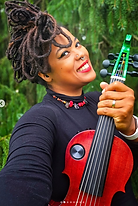

Rachel Jayson & Jessica Billings-White
Take a peek at the music!
View scores
Lyon’s silk trade produced shimmering beauty and ignited fierce revolt.
The silk industry shaped the city's geography and architecture. Workshops were built with high ceilings to house massive Jacquard looms, while hidden passageways (traboules) crisscrossed the city to expedite deliveries and protect bolts of silk from the elements.
Later, these same traboules sheltered revolutionaries from capture. In the early 19th century, following the French revolution, silk weavers (les Canuts) staged major uprisings to demand fair wages and better working conditions, using the traboules to evade soldiers and organize in secret. Over a century later during World War II, members of the French Resistance once again turned to these passageways to outmaneuver the Gestapo, convey messages, and move undetected. This secret network prevented the invading forces from completely taking control of Lyon.
Both the silk and the city were shaped by hands both delicate and defiant — and my music seeks to weave those stories together. Inspired by these intertwined legacies, my work reflects the the flowing motion of silk, the restless nature of the Lyonnais, and the unpredictable surges of revolt.
Guignol is Lyon’s most famous puppet—quick-witted, full of energy, and never afraid to poke fun at authority. Guignol was created in 1808 by silk weaver Laurent Mourguet. When he fell on hard times during the French Revolution, Morguet turned to street dentistry (tooth pulling) and put on puppet shows to attract passersby. The shows became so successful, he ultimately abandoned weaving and dentistry to become a full-time puppeteer.
Guignol, a silk weaver himself, is his most enduring invention. This beloved hand puppet has entertained audiences for over 200 years with a mix of physical humor, satire, and sharp social commentary. His shows delight children with slapstick antics while slipping in jokes that only the adults truly understand and criticizing authority and current events.
Like Guignol himself, the music for "Vive la Marionette!" (Long live the puppet!) is playful, unpredictable, and mischievous. It depicts the theatricality of the puppet show, capturing the spirit of wit, rebellion, and clever trickery that has made Guignol a lasting icon of Lyon.
A video to share with students all about Guignol!
Why a Double Consortium?
I designed this as a double consortium to provide more flexibility for you and your program and to create opportunities for meaningful learning experiences at multiple levels.
You can choose a single piece that best fits your group—or, if you have multiple groups or a collaborating director, this is a chance to involve multiple groups in a meaningful commissioning experience. I chose the consortium format to reach more young musicians and to make commissioning as accessible as possible.
Beyond the Music: Cross-Curricular Possibilities
These works naturally connect with a variety of other subjects and creative opportunities, making them perfect for integrated learning experiences. You could explore:
🎭 Puppet-Making & Theater
-
Design your own puppets or create a puppet show to accompany the music for your concert – Hand puppets, marionettes, or shadow puppets!
🎨 Visual Arts / Fabric & Textile Arts
-
A local artist or art teacher could lead students in puppet-making, silk painting, weaving, or other fiber arts. These could be displayed or presented in your performance space.
🗺️ French Language & History
-
Students could study Lyon, the French Revolution, the Canut Revolts, the French Resistance in WWII, economics and workers’ rights & wages, and Guignol’s role in cultural satire.
🧵 Technology
-
The punch card system developed for the Jacquard looms is a precursor to modern computing technology.
Thank you!
Thank you for checking out my project, and please reach out if you have questions. Looking forward to having you with us!

